Built by a founder.
Scaled by an operator.
CTI exists to turn a methodology proven in the field into an institution — one that teaches government, enterprise, and security leaders to make better decisions under pressure.

Become the premier provider of intelligence-driven decision-making education.
Two careers. One company.
CTI is built on a deliberate split: a founder who created the methodology, and a CEO who built the business around it.
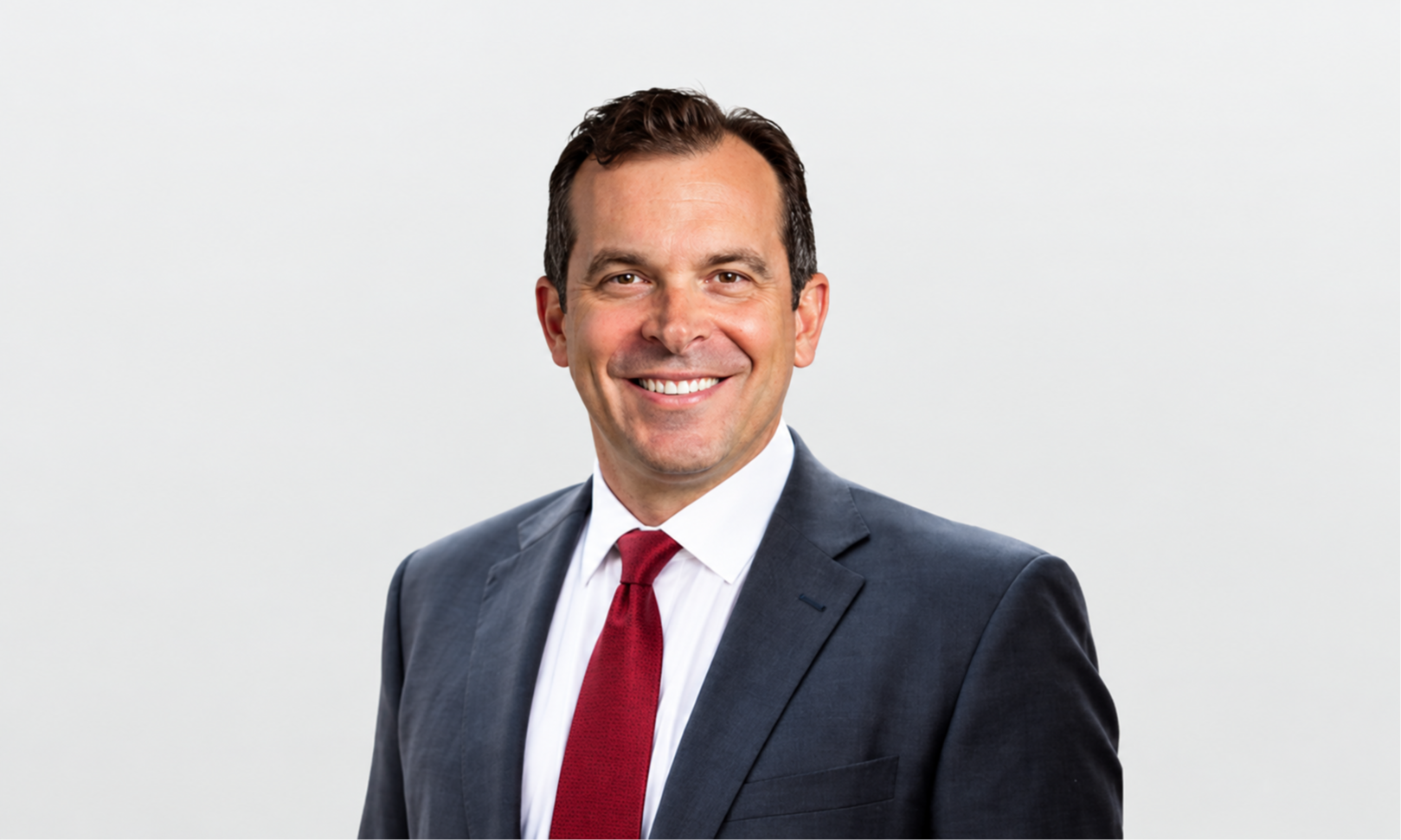
Luke Bencie
A former CIA Technical Operations Officer and the creator of the modern CARVER methodology. Author of nine books on security and global risk, with a career spanning 120+ countries and a client list from the Pentagon to Fortune 500 boardrooms.
Visit lukebencie.com →

Sarah Bencie
Leads CTI's growth strategy, brand, and enterprise partnerships. Before national security, she built an interior design business and media platform reaching 2.5 million people monthly — the same builder's instinct, applied to a new industry.
From methodology to a platform.
The University of South Florida
CTI's certifications are co-issued in partnership with USF's Office of Corporate Training and Professional Education — pairing a field-tested methodology with a credential a university stands behind. It's the reason a CARVER certification carries weight far outside the security industry.
What CARVER Actually Measures
Each factor is scored independently, then combined into a single ranked priority — no factor decides the outcome alone.

Mark Koulianos
Executive Director of USF's Office of Corporate Training and Professional Education, and leader of USF's Lifelong Learning Operations — the unit that has grown CTI's certification offerings alongside dozens of other credentialing programs.
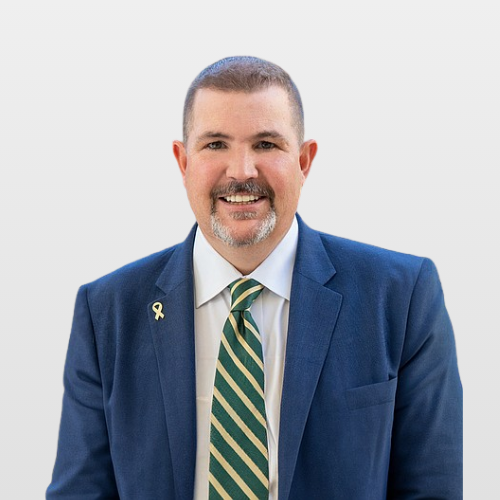
Jay Riley
The liaison between USF and SMI for the Security Training Collaborative and the CARVER Training Institute. Appointed by Florida Governor Ron DeSantis to the Sarasota County Charter Review Board. Active in his community, he is a member of the Nathan Benderson Park Board of Directors, the Payton Wright Foundation Board of Directors, and the Manatee Chamber of Commerce Education and Workforce Committee.
Taught by people who've lived it.
CARVER courses aren't taught from slides alone — they're taught by instructors who've applied this thinking in the field.
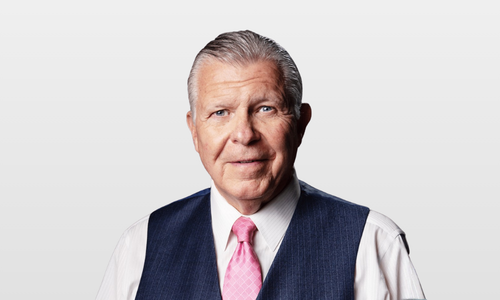
Bob Delaney
A highly decorated New Jersey State Police trooper who spent nearly three years undercover infiltrating the Genovese and Bruno crime families — later testifying before the U.S. Senate on organized crime. He went on to a 25-year career as an NBA referee and Vice President of Officials. His story is the subject of Covert: My Years Infiltrating the Mob, and has been told by HBO, ESPN, and ABC.

Col. Jennifer Hesterman, PhD, USAF (Ret.)
Retired Air Force Colonel and former Vice Commander at Andrews Air Force Base, where she led security for Air Force One and regularly escorted the President and visiting heads of state. Author of Soft Target Hardening, ASIS International's Security Industry Book of the Year, and a Harvard Senior Executive Fellows alumna.
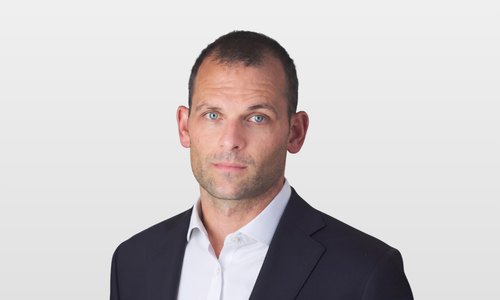
Nicholas Krohley, Ph.D.
Founder of FrontLine Advisory, he has provided hands-on support to governments and corporates operating in high-risk environments for the past 20 years. He leads the Resistance work-stream at the Irregular Warfare Initiative, and is the author of The Death of the Medhi Army: The Rise, Fall, and Revival of Iraq's Most Powerful Militia, which was short-listed for military book of the year by RUSI.
Counsel from People who've run the real thing.
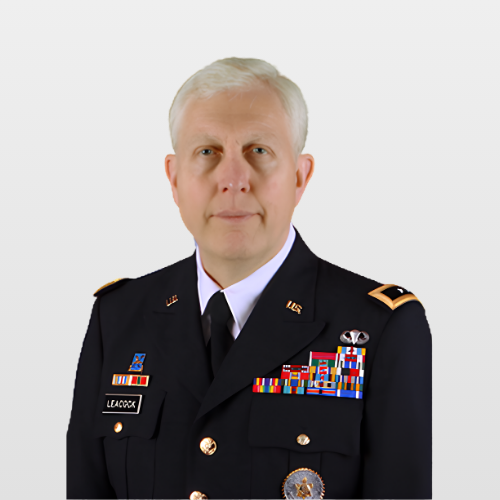
General Ed Leacock
Served in the U.S. Army for more than 41 years as an intelligence professional across Active Duty, Army Reserve, and National Guard components — bringing decades of institutional intelligence experience to CTI's strategic direction.
4500+
STUDENTS
40
COUNTRIES
28
FORTUNE 500s
CTI × USF
CERTIFICATION
One methodology, four organizations.
SMI
Global risk consulting & the parent firm behind the carver family.
CARVER+ ARES
The methodology, applied as real-time decision-support software.
LUKE BENCIE
Author, speaker, and creator of the modern CARVER methodology.
SARAH BENCIE
Leadership, reinvention, and building the business behind the vision.
Learn the methodology behind the institution.
Ready to Apply It? Learn to run this assessment yourself.
Helpful links
Certification Courses
Carver 3 Day LIVE
Carver Strategy
Carver Keynote Speaking
Carver Leaderhip
Carver Mindset
Carver Fundamentals
Resources
Chalk Talk
News
Blog
The CARVER Training Institute is accredited by these fine organizations.